

Be warned – once you try these Liege waffles, standard waffles will officially be in your past. The caramelized shell, soft and chewy inside, and pockets of crystallized, crunchy sugars make Liege waffles a one-of-a-kind breakfast. Unlike traditional waffle batter, Liege waffles are made with a yeasted dough, giving them a dense, completely irresistible, bread-like chew. Instead of granulated sugar, they use Swedish pearl sugar, which creates crunchy, candy-like pockets in every bite.
While we use a more standard technique for our savory Gruyere and Green Onion Waffles, Chicken and Waffles, and our Cheesy Herb Waffles, the effort and time to double-rise the dough is fully worth it for these rich, bakery-quality waffles. You can even start them the night before, letting the dough slow-rise in the fridge overnight, for a quick addition to a slow Sunday morning meal or a special occasion like Mother’s Day Brunch or Easter Breakfast.
What is a Liege waffle?
Liege waffles originated in the city of Liege in eastern Belgium, but they’re far from what you probably know as a “Belgian waffle”. While traditional waffles are light and fluffy, made with a pourable batter, Liege waffles are made from a brioche-like yeasted dough, giving them a denser, chewier texture.
Liege waffles are most often smaller and thicker than traditional waffles, with more irregularly shaped edges, since the dough is plopped into the iron rather than poured. And while you may be used to drowning waffles with sweet maple syrup, Liege waffles are sweet enough to eat on their own. Pearl sugar is a staple ingredient that melts and caramelizes as they cook, giving every bite a sweet, caramel-like flavor.
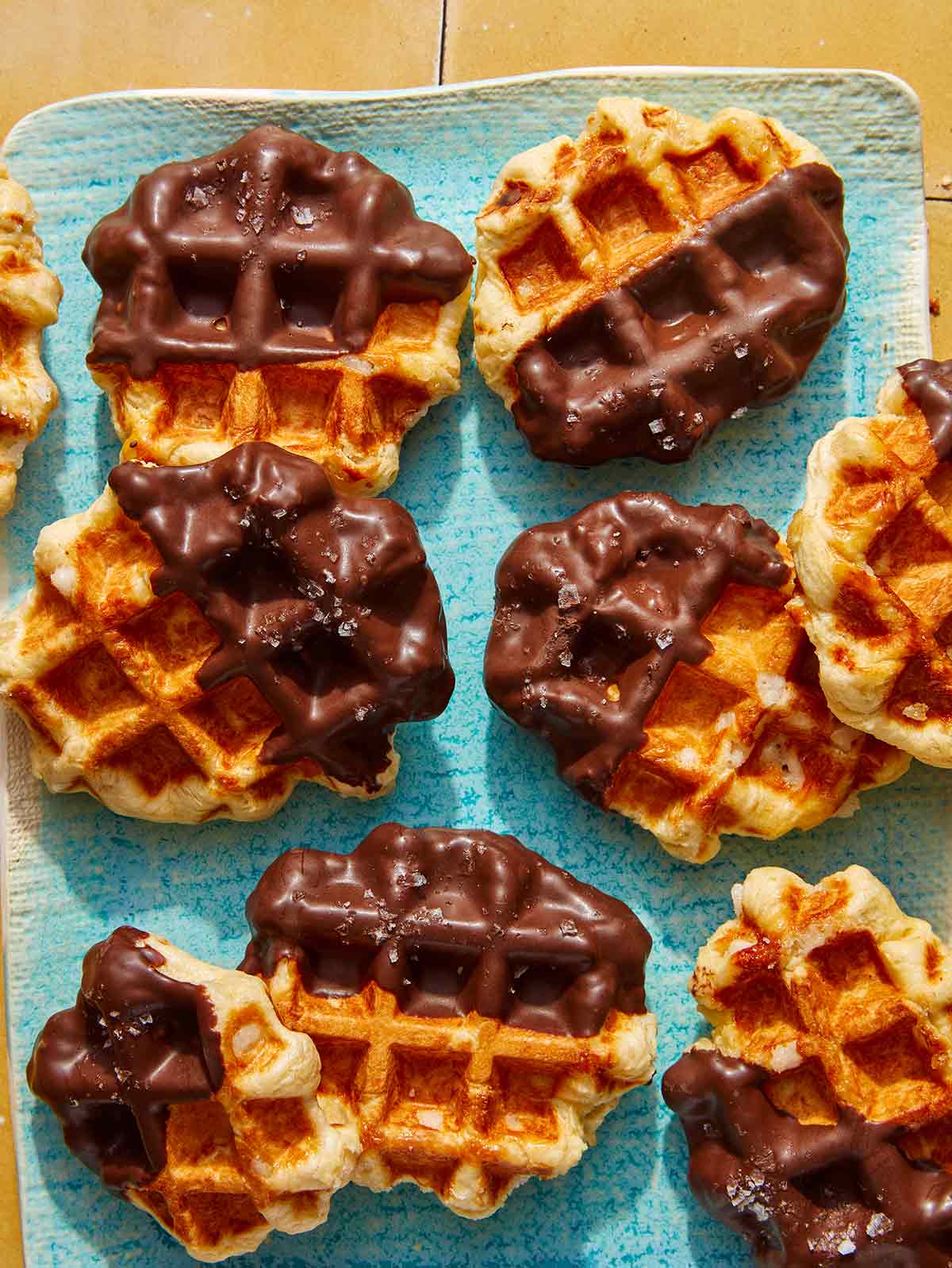
Differences between Liege waffles and Belgium waffles
In Belgium, you’ll find two distinct types of waffles: Liege waffles and Brussels waffles. In the United States, we associate Belgian waffles with Brussels waffles, while Liege waffles are distinctly different.
Brussels waffles are traditionally made with either yeast or whipped egg whites (although many recipes in the United States use baking powder) to create a pourable batter, and they have a seriously fluffy, light, and airy texture, large, deep pockets, and a light, more neutral flavor.
Liege waffles are made with a thick, yeasted dough, sweetened with pearl sugar. The dough is plopped into an iron to create irregularly shaped, dense, chewy, intensely sweet, caramelized waffles.
How to make Liege waffles?
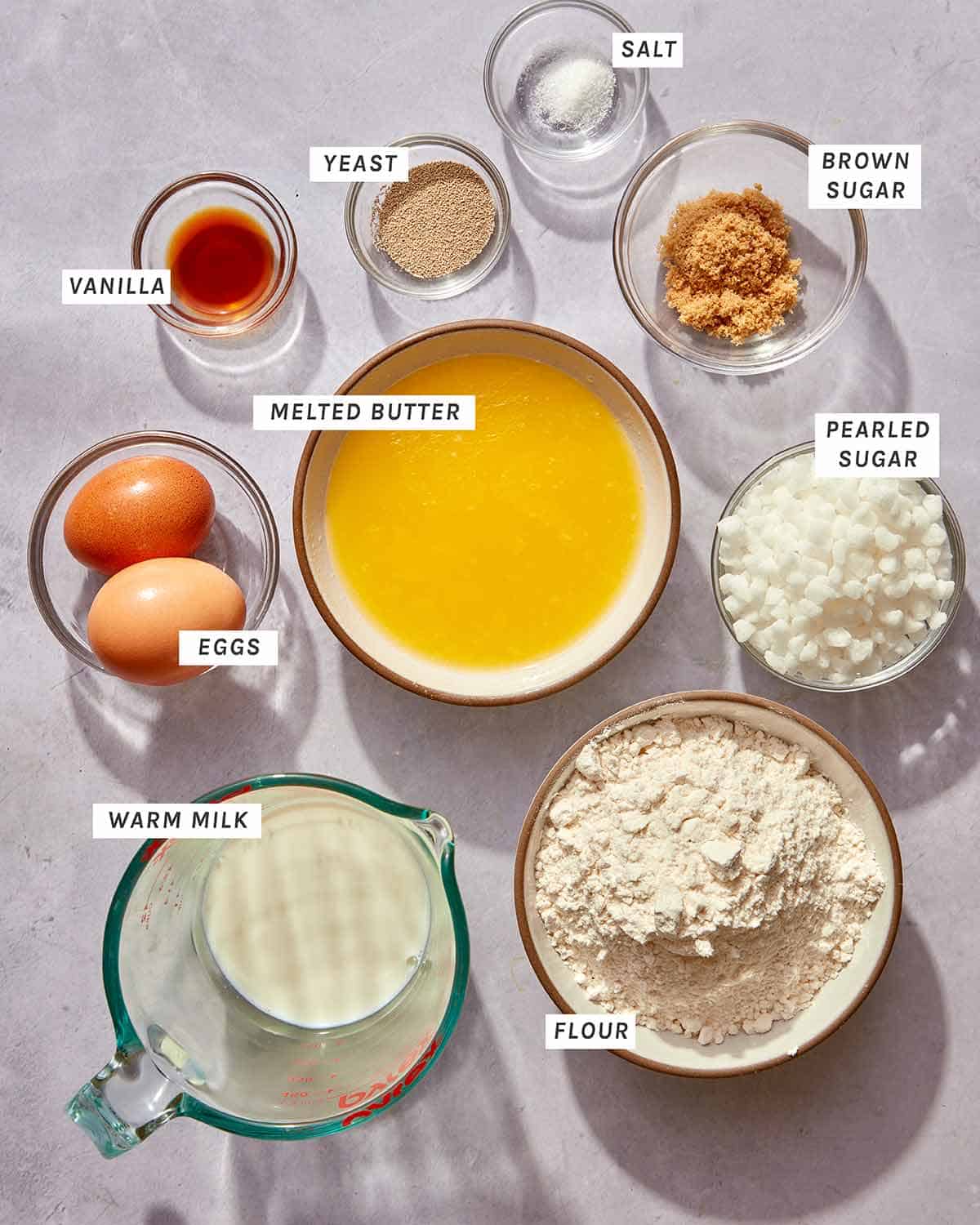
Ingredients
Process
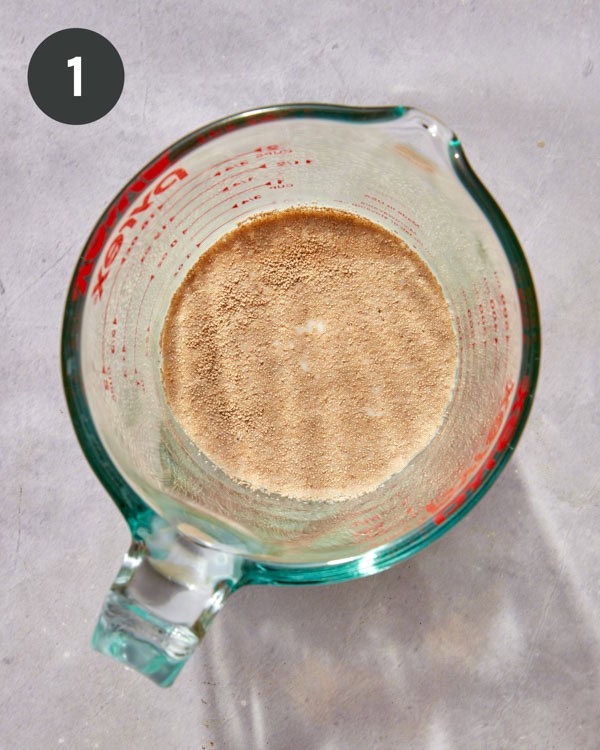
- Combine sugar, yeast and milk and allow mixture to sit for 4 to 6 minutes or until mixture is bubbling and foamy.
- Combine flour and salt in a stand mixer bowl and whisk together. Create a well in the center of flour mixture and add yeast mixture.
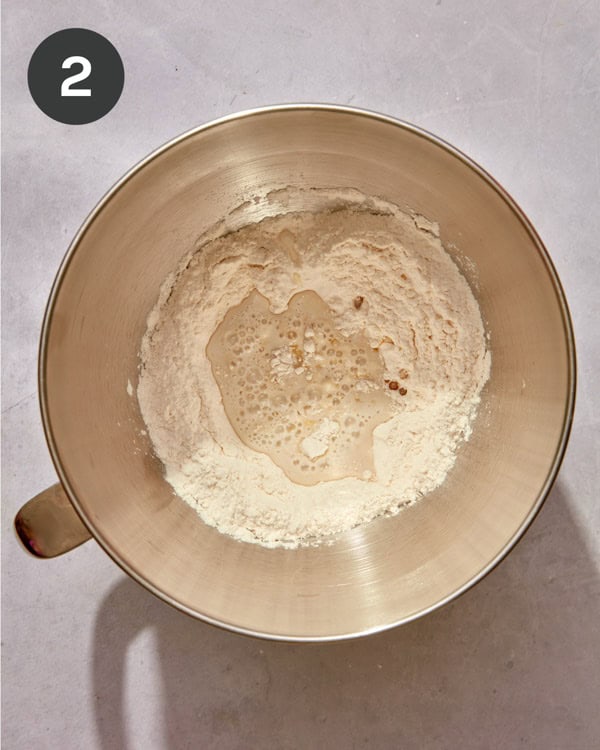
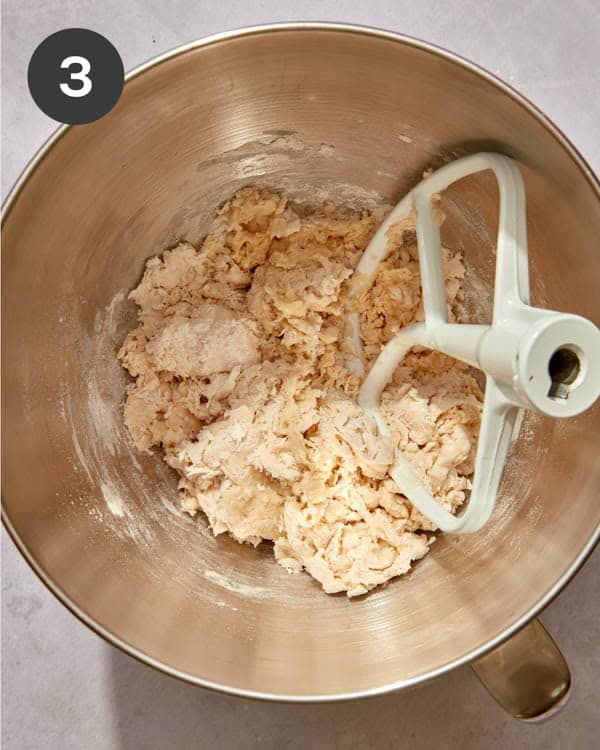
- Mix together with paddle attachment until a ‘shaggy’ dough forms.
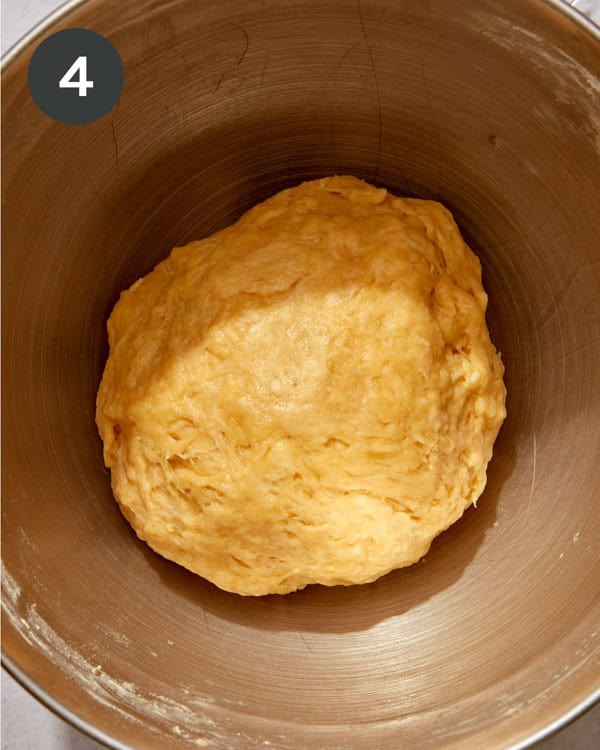
- With the mixer on medium speed, add eggs, one at a time, followed by vanilla. Add butter, in a slow and steady stream, until fully combined and a sticky, wet dough has formed.
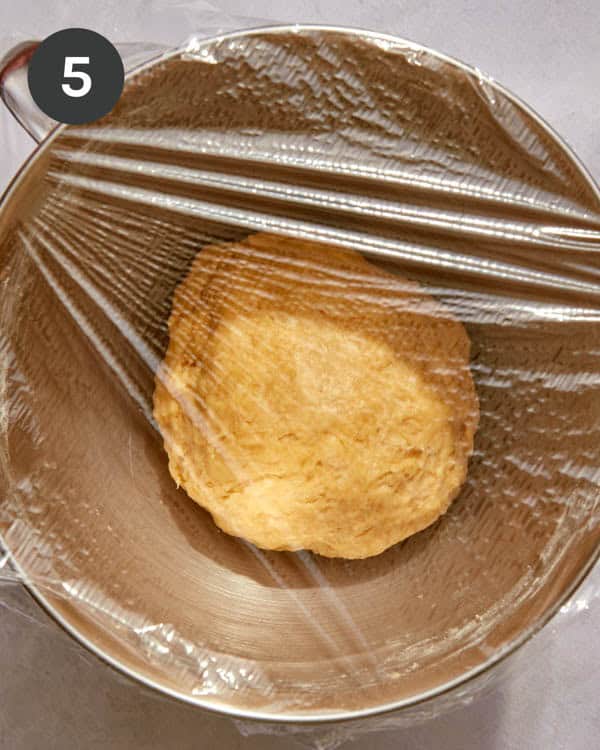
- Cover and store in a in a warm area to rise until doubled in size, about 1 hour 30 minutes.
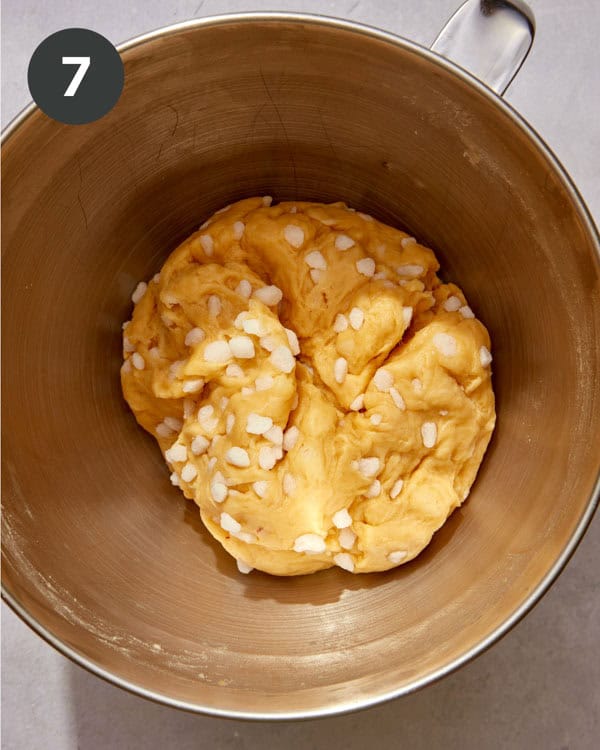
- Uncover and fold in pearl sugar.
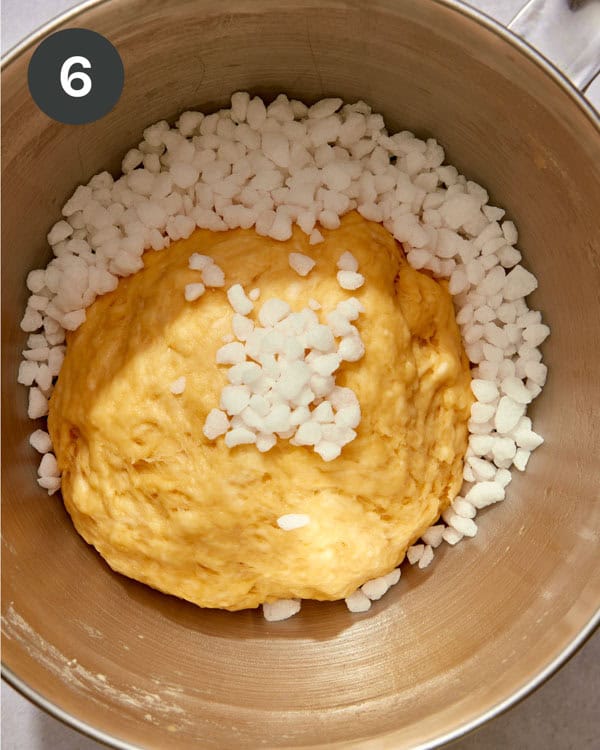
- Re-cover, and allow dough to rise again for about 30 minutes, then uncover.
- Heat waffle iron and scoop ⅓ cup batter into each well.
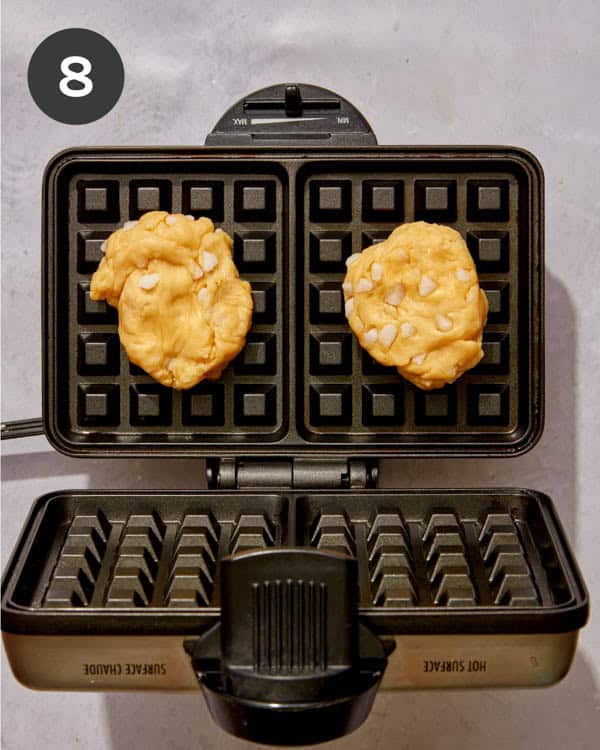
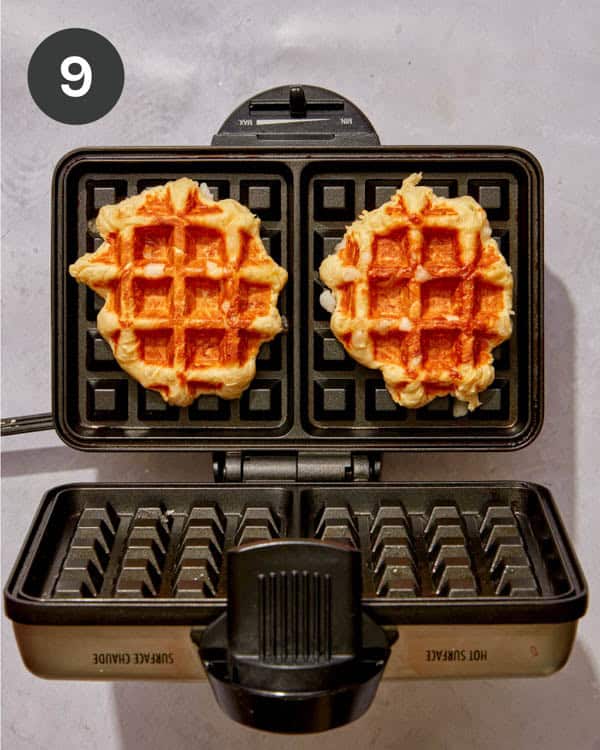
- Press until each liege waffle has nicely browned and caramelized.
- Carefully remove from waffle iron and transfer to a cooling rack. Repeat steps 8 and 9 until all batter has been used. Serve immediately.

What is Swedish pearl sugar?
Swedish pearl sugar is a key ingredient in Liege waffles. It’s essentially large chunks of white sugar that hold their shape and resist melting and dissolving, creating pockets of sweet, caramelized crunch inside and outside the waffles. Using regular granulated sugar won’t have the same effect, so if you want an authentic experience, crunch, and flavor, it’s worth using the real deal.
We’ve found Swedish pearl sugar easier to find than Belgian pearl sugar, which is even larger and can also be used for Liege waffles.

Tips to make the BEST Liege waffles
These waffles take more effort and patience than traditional waffles, but they’re so worth it. For the best Liege waffles without hopping on a plane, follow these tips:
- Cold ingredients will slow down the rise, and hot butter could kill the yeast, so ingredient temperature is important. You want lukewarm water, room-temperature eggs, and slightly cooled melted butter so the yeast activates well and everything incorporates consistently into the dough.
- The double rise is essential for well-developed flavors and structure. Don’t rush the rise, even though we know waiting to eat these is tough work!
- Because this recipe is longer and more involved, it’s worth making sure your yeast is active. If it’s not bubbly and foamy after 5 or 6 minutes of sitting in the warm milk and sugar mixture, your milk may have been too hot, or your yeast is inactive, and you’ll want to start over.
- Fold the pearl sugar in gently. You want to evenly combine it throughout the dough without crushing the pearls.
- These waffles are meant to be irregularly shaped, so stick to the 1/3 cup and avoid overfilling the waffle iron. They spread as the iron presses down, and you want all of the edges to stay inside the iron, getting crispy and caramelized as they cook.
- After cooking each Liege waffle, let them cool on a wire rack, not a plate or a paper towel, to help both sides stay crisp. Placing them on a plate will cause the bottoms to become soggy because of the steam.
What to serve with Liege waffles
Because these waffles are so sweet on their own, they’re delicious eaten straight from the waffle iron or dusted with a bit of powdered sugar. However, just because they don’t need sweet toppings doesn’t mean you can’t add them!
Top Liege waffles with:
- Fresh fruit like sliced strawberries, blueberries, raspberries, or banana slices
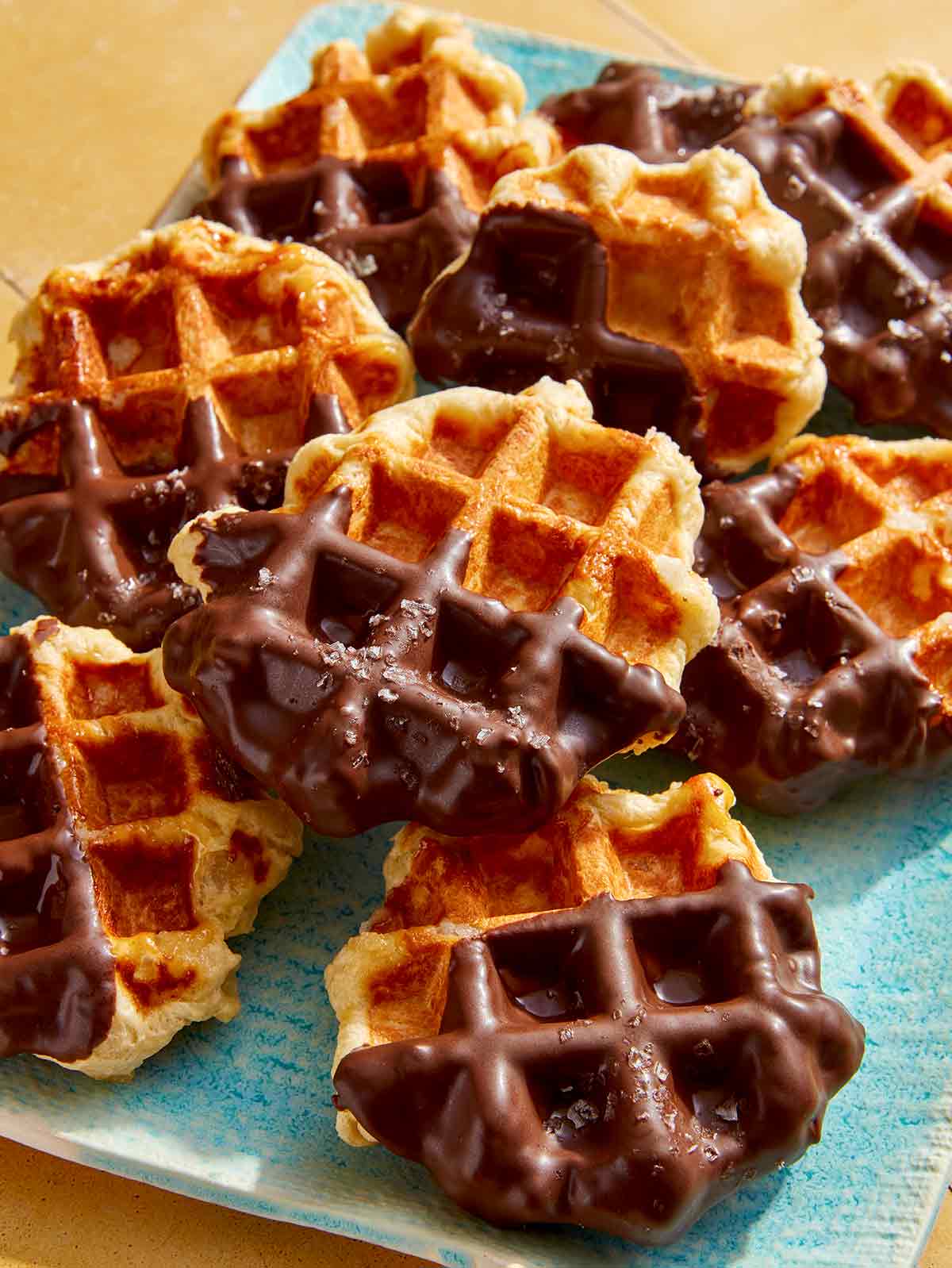
- Chocolate sauce and sea salt (as seen in our finished photos!), caramel sauce, or a thin swipe of Nutella
- Whipped cream or ice cream (or both!)
For a full breakfast or brunch spread, serve a plate of Liege waffles with:
- Crispy bacon
- Baked Eggs
- Herb Baked Eggs
- Bacon and Cheddar Quiche
- Turkish Eggs
- Cheesy Skillet Sweet Potato Hash
- Scrambled Eggs

Storing Liege waffles and refreshing leftovers
Liege waffles are best when eaten fresh out of the waffle iron, but they keep and reheat surprisingly well, as long as you use the right method.
Storing
To store them for a few days, let them cool completely, then store them in a single layer in an airtight container in the refrigerator for up to 3 days.
For freezer waffles, let them cool completely, then lay them on a parchment-lined sheet pan and freeze them until frozen solid (at least 2 hours). Once fully frozen, transfer them to a freezer bag, placing a layer of parchment paper in between layers to keep them from sticking, and store in the freezer for up to 2 months.
Reheating and refreshing
We recommend reheating Liege waffles in the oven or a toaster for the best results.
For oven reheating: Preheat the oven to 350°F and place the waffles directly on the oven rack, or on a sheet pan, for 5 minutes, or until warmed through and re-crisped. Reheating from frozen may take up to 10 minutes.
For toaster reheating: Pop the waffles into the toaster to crisp up and warm through. Just be sure to keep a close eye on them, as the caramelized sugar on the outside can go from crisp to burnt very quickly.
More delicious and sweet recipes you will love



Liege Waffles
EQUIPMENT
INGREDIENTS
- 2/3 cup lukewarm whole milk
- 1 1/2 tablespoons light brown sugar
- 2 1/2 teaspoons active dry yeast (1/2 ounce packet)
- 2 3/4 cups all purpose flour
- 3/4 teaspoon salt
- 2 large room temperature eggs
- 1 1/2 teaspoons vanilla extract
- 8 tablespoons unsalted butter (melted and cooled)
- ⅔ cup Belgium pearl sugar
optional
- 1 cup milk chocolate (can use dark chocolate if preferred)
- 2 teaspoons sea salt flakes
INSTRUCTIONS
- Combine sugar, yeast and milk and allow mixture to sit for 4 to 6 minutes or until mixture is bubbling and foamy.
- Combine flour and salt in a stand mixer bowl and whisk together.
- Create a well in the center of flour mixture and add yeast mixture.
- Mix together with paddle attachment until a ‘shaggy’ dough forms.
- With the mixer on medium speed, add eggs, one at a time, followed by vanilla.
- Switch to a hook attachment and add butter, in a slow and steady stream, until fully combined and a dough has formed. The dough will look slightly wet and sticky.
- Cover and store in a in a warm area to rise until doubled in size, about 1 hour 30 minutes.
- Uncover, fold in pearl sugar, re-cover, and allow dough to rise again for about 15 to 20 minutes.
- Heat waffle iron and scoop ⅓ cup batter into each well and press until each waffle has nicely browned and caramelized.
- Carefully remove from waffle iron and transfer to a cooling rack.
- Repeat steps 8 and 9 until all batter has been used.
optional
- In a double boiler (or in the microwave) melt chocolate until smooth. Dip each waffle into the melted chocolate (about 1/2 way) and shake off any excess.
- Sprinkle sea salt flakes over the chocolate portion of the waffles. Allow chocolate to harden, then serve.







Did you make this recipe? We want to see!
tag @SpoonForkBacon and #SpoonForkBacon on Instagram
I haven’t tried the recipe yet, but I’m hopeful, because last Spring we went to Brugge and had Fred’s waffles – and I’ve been craving their sweet, fermented, crunchy goodness since. 😁
I’m halfway through a batch; if I want to ferment overnight, do I fold in the sugar before or after the slow rise? Will the sugar dissolve if I put it in before 8 hrs in the fridge?
I would fold the sugar in afterwards, to ensure they don’t dissolve and that you get the nice bits of caramelization once they’re pressed!
These turned out beautiful and were perfectly caramelized and tasty. Sweet enough to indulge on for dessert while also not too sweet so you can have them for breakfast. A delicious recipe that kids and adults can both enjoy. Highly recommend this recipe.
Yes! So happy to see you enjoyed these waffles! They’re my absolute favorite!
Just curious, what led to the decision to use white whole wheat flour? I generally only keep three types of flour on hand: all-purpose, bread flour, and regular whole wheat. Should I pick up some white whole wheat before making these or do you think I could use one or some combination of the flours I already have? Thanks!
I think it gives the waffles a slightly more dense texture, which I like for this kind of waffle, but it’s totally not necessary + all purpose will work perfectly! :)